
Flaky scalp ranks among the top concerns Australian clients raise during salon consultations at Circles of Hair. The flakes that appear on dark clothing or in the bathroom sink can stem from two distinct conditions that require different approaches. Dry scalp and dandruff share visible symptoms yet arise from separate physiological processes. Accurate identification prevents wasted purchases and guides you toward effective, lasting relief.
Understanding the distinction matters in Perth’s variable climate. Dry winters strip moisture from the air and from your skin, while humid summers can encourage yeast growth on the scalp. Both seasons increase the likelihood of flaking, but the underlying cause determines whether you need hydration or antifungal care.
What Causes a Dry Scalp?
Dry scalp develops when the skin on your head loses water faster than it can replenish it. Several everyday factors contribute. Cold, low-humidity air pulls moisture from exposed skin. Indoor heating and air conditioning accelerate the loss. Frequent washing with sulphate-heavy shampoos or very hot water removes the scalp’s natural lipid barrier. Styling products that contain alcohol or strong fragrances can further dehydrate the surface.
The result is a scalp that feels tight and rough to the touch. Fine, white, powdery flakes appear, often resembling dust more than large crusts. These flakes may also show on other dry areas such as the elbows or shins. Because the condition is simply a moisture deficit, the scalp rarely looks greasy between washes.
Scratching provides temporary relief but damages the skin barrier, making dryness worse and potentially inviting secondary irritation. Clients who notice flakes only during winter months or after colour services frequently trace the issue to dehydration rather than a medical scalp condition.
What Causes Dandruff?
Dandruff is a medical scalp condition driven primarily by an overgrowth of Malassezia, a yeast that normally lives harmlessly on human skin. When the scalp produces excess sebum or when the skin’s natural balance shifts due to hormones, stress, or diet, the yeast multiplies rapidly. This triggers accelerated skin cell turnover. Dead cells clump together before they can shed individually, forming larger, often yellowish or oily flakes.
The scalp frequently feels itchy and may appear mildly red or inflamed. Unlike simple dryness, dandruff often persists even when hair looks oily. The condition tends to remain confined to the scalp and hairline rather than affecting the rest of the body. Australian dermatology resources note that dandruff scales are typically larger and greasier than the fine flakes of dry skin.
Seborrhoeic dermatitis represents a more severe inflammatory form of the same process. It produces thicker, more adherent scale and can extend beyond the scalp to the eyebrows, sides of the nose, and behind the ears. Persistent or widespread symptoms warrant professional assessment rather than self-treatment.
Observable Differences Between Dry Scalp and Dandruff
Several reliable visual and tactile cues separate the two conditions.
Flake size and texture provide the clearest signal. Dry scalp flakes are small, dry, and white, resembling fine powder or dust. Dandruff flakes are larger, often oily or sticky, and may carry a yellowish tint.
Scalp sensation differs markedly. A dry scalp feels tight, rough, or even slightly sore. A dandruff-prone scalp often feels greasy or waxy between washes despite the presence of flakes.
Itch intensity and pattern also vary. Dry scalp itch tends to be mild and improves quickly with moisturising care. Dandruff itch is frequently more intense, persistent, and may worsen with sweating or stress.
Response to treatment offers a practical test. Dry scalp usually improves within days of switching to a gentle, hydrating shampoo and reducing wash frequency. Dandruff requires consistent use of antifungal or medicated ingredients for several weeks before the yeast population stabilises and flaking subsides.
Australian health sites including Better Health Channel and myDr explicitly state that dandruff scales are large and oily while dry scalp scales are smaller and drier. Professional product lines sold through Australian salons reinforce the same diagnostic framework.
Performing a Reliable at-Home Diagnosis
A simple two-day observation test helps most people identify the cause before purchasing new products.
Begin by washing with a mild, sulphate-free shampoo and avoiding conditioner directly on the scalp. Towel dry gently and observe the scalp the following morning before applying any styling products.
– Fine white dust-like flakes combined with a tight sensation point toward dryness.
– Larger, oilier, or yellowish flakes with a greasy feel suggest dandruff.
Repeat the observation after one week of targeted care. Improvement with simple hydration supports a dry scalp diagnosis. Continued or worsening flaking despite moisturising care indicates the need for antifungal treatment.
Symptoms that persist beyond two weeks, involve visible redness or swelling, or coincide with hair thinning or patchy loss should prompt a professional scalp examination. A dermatologist or experienced salon stylist can rule out psoriasis, eczema, or other conditions that mimic dandruff.
Treatment Strategies Tailored to Each Condition
Effective care begins with the correct diagnosis.
Dry scalp responds to moisture restoration. Choose shampoos containing hyaluronic acid, glycerin, panthenol, or lightweight botanical oils. Wash less frequently, use lukewarm water, and finish with a lightweight leave-in treatment or scalp serum. Many clients notice improvement within three to seven days.
Dandruff requires control of the Malassezia yeast. Ingredients such as zinc pyrithione, selenium sulphide, ketoconazole, or piroctone olamine reduce yeast populations. Salicylic acid helps lift stubborn scale. Consistent use for four to six weeks is typical before results plateau. Rotating two different medicated formulas can prevent the yeast from developing tolerance.
Professional salon treatments accelerate results for both conditions. Exfoliating scalp scrubs remove built-up cells, while concentrated serums deliver active ingredients directly to the skin. Massage during the service improves circulation and product absorption. Perth clients often schedule these treatments at the change of seasons when environmental shifts trigger flare-ups.
Professional Products Available at Circles of Hair
Circles of Hair curates salon-exclusive ranges formulated for Australian scalps and hair types. The Kérastase Symbiose collection offers two targeted shampoos. The Crème Hydrating Anti-Dandruff Shampoo suits dry or sensitised scalps, while the Pureté Anti-Dandruff Shampoo for Oily Scalp addresses excess sebum. Both are colour-safe and gentle enough for regular use.
L’Oréal Professionnel Scalp Advanced Anti-Discomfort Shampoo provides daily relief with a soothing, non-stripping formula. Complementary serums and micro-exfoliating treatments complete the in-salon and at-home protocol.
These professional concentrations outperform most supermarket options because they contain higher levels of active ingredients and are tested for compatibility with coloured or chemically treated hair. Your stylist can recommend the precise combination based on your scalp assessment and hair history.
Prevention Habits That Reduce Recurrence
Simple lifestyle adjustments help maintain scalp health between salon visits.
– Wash with water at a comfortable temperature rather than very hot.
– Choose shampoos matched to your current scalp condition rather than your hair texture alone.
– Protect the scalp from extreme weather with hats or scarves during winter and breathable styles during summer.
– Avoid sharing combs, hats, or pillowcases during active flare-ups.
– Maintain a balanced diet that includes zinc, omega-3 fatty acids, and adequate hydration.
– Manage stress through regular exercise or relaxation practices, as stress can influence sebum production and immune response.
Clients who combine consistent home care with periodic professional scalp treatments report fewer and milder episodes throughout the year.
When Professional Assessment Adds the Most Value
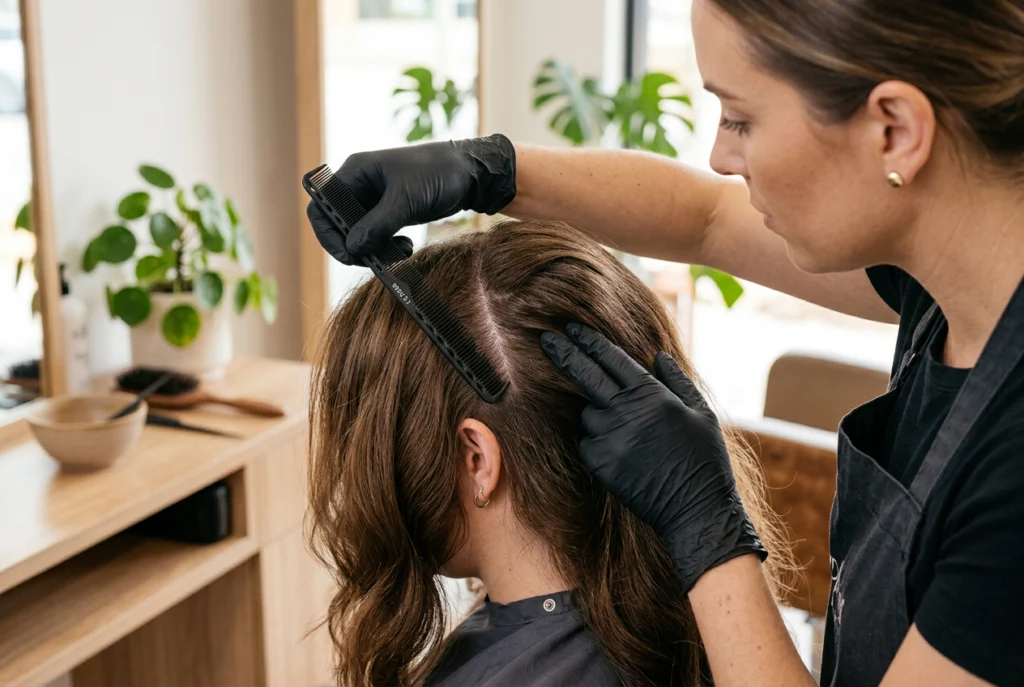
Mild, seasonal dryness often resolves with product changes alone. Recurrent, severe, or treatment-resistant flaking benefits from expert evaluation. A Circles of Hair stylist examines the scalp under magnification, identifies contributing factors such as product buildup or hormonal patterns, and builds a custom plan that may include in-salon treatments plus tailored home care.
Many clients discover that what they assumed was persistent dandruff was actually a combination of dryness and product residue, or vice versa. Accurate diagnosis saves both time and money while protecting hair health and colour longevity.
Moving Forward With Confidence
Dry scalp and dandruff are manageable once you identify which condition you are experiencing. The differences in flake appearance, scalp sensation, and response to care provide reliable clues. Australian professional and health resources support the same practical distinctions used daily in salons across Perth.
With the right information and access to targeted professional products such as the Kérastase Symbiose range at Circles of Hair, you can achieve a comfortable, balanced scalp and enjoy the confidence that comes with healthy hair. Book a consultation when symptoms persist or when you want personalised guidance on the most effective routine for your individual needs.
Contact us if the flakes are still there after the right wash.